Optimizing your CMS for SEO means configuring your content management system to help your website rank higher in search results and be more visible to both traditional and AI-powered search engines. For organizations in higher education, government, healthcare, nonprofits, manufacturing, and B2B, this involves technical setup, content structure, accessibility, and ongoing measurement. DoodleWeb delivers custom web design and development from Seattle, with every engagement led by a senior team and a focus on measurable outcomes.
Why does optimizing your CMS for SEO matter?
Optimizing your CMS for SEO is essential because it directly impacts how easily your audience can find you online. A well-configured CMS supports SEO best practices, making it easier to manage metadata, site architecture, accessibility, and content freshness. At DoodleWeb, we see teams across the U.S. and beyond run into common blockers, from unclear ownership to technical debt, which can stall growth and visibility. Addressing these challenges early sets the foundation for long-term success.
What is the most important takeaway for CMS SEO in 2026?
Effective SEO strategies for your CMS are now essential infrastructure, not just a one-time project. SEO affects acquisition, retention, and your team's ability to ship updates quickly. The most successful organizations invest in foundational setup, measure real outcomes, and keep improving after launch. Treating SEO as an ongoing process—rather than a checklist—leads to better rankings and sustained visibility.
What common mistakes do organizations make with CMS SEO?
Organizations often encounter these pitfalls when optimizing CMS for SEO:
- Scope sprawl: Trying to solve every SEO issue at once can lead to stalled projects and missed deadlines.
- No clear owner: When strategy, execution, and reporting are split across teams, accountability suffers.
- Vanity metrics: Focusing on surface-level dashboards rather than metrics that drive decisions.
- One-and-done thinking: Treating SEO as a launch task instead of an ongoing effort.
Establishing clear goals, baselines, and a 90-day plan helps avoid these traps and keeps teams focused on meaningful progress.
How does DoodleWeb approach CMS SEO optimization?
DoodleWeb’s process for CMS SEO optimization follows three phases:
- Audit and baseline: We start by measuring performance, search visibility, conversion paths, accessibility, and content gaps. This creates a clear scoreboard for improvement.
- Build the right thing: We deliver in tight, iterative loops, releasing the smallest meaningful improvements first and measuring each against the baseline.
- Operate and improve: After launch, we stay engaged with your team to iterate, monitor, and update the roadmap so gains are maintained and compounded over time.
Our senior-only delivery model ensures that every engagement benefits from deep expertise in strategy, design, engineering, and accessibility.
What does a successful CMS SEO engagement look like?
Clients working with DoodleWeb can expect:
- Core Web Vitals in the green at launch (LCP ≤ 2.5s, INP ≤ 200ms, CLS ≤ 0.1 at the 75th percentile, per Google’s public standards)
- A documented, repeatable release process
- A measurement plan tied to revenue or pipeline, not just traffic
- A 90-day post-launch roadmap with clear ownership
Our approach is designed to create sustainable, measurable improvements—not just one-time boosts.
What specific CMS features should I focus on for SEO?
Key CMS features that support SEO include:
- Customizable metadata: Ability to edit page titles, meta descriptions, and open graph tags
- Clean URL structures: Support for search-friendly, human-readable URLs
- Schema.org markup: Structured data for rich results and AI search visibility
- XML sitemaps and robots.txt: Automated generation and easy editing
- Accessibility tools: Built-in support for WCAG 2.2 AA compliance
- Performance optimization: Features that enable fast load times and Core Web Vitals compliance
- Content versioning and workflow: To keep content fresh and accurate
Platforms like WordPress, Drupal, Shopify, Webflow, and BigCommerce each offer unique strengths in these areas. Learn more about our web design and development services.
How does DoodleWeb's approach differ from competitors in CMS SEO optimization?
DoodleWeb stands out by delivering only custom agency work—never templates or DIY solutions. Every project is led by a senior strategist, designer, engineer, and QA/accessibility lead. We are a BBB Accredited Business and hold certifications and partnerships with major platforms, including Drupal (Certified Bronze Partner), WP Engine, Shopify, Webflow, and more. Our process is transparent, collaborative, and focused on measurable outcomes, as reflected in our Clutch reviews and GoodFirms ratings.
What are the latest trends in SEO for CMS as of 2026?
In 2026, SEO for CMS platforms is shaped by:
- AI search optimization (AEO/GEO): Structuring content for answer engines like ChatGPT, Google AI Overviews, and Perplexity
- Accessibility: WCAG 2.2 AA compliance is now a baseline for public sector and higher education sites
- Performance: Core Web Vitals remain a ranking factor, with Google’s thresholds widely adopted
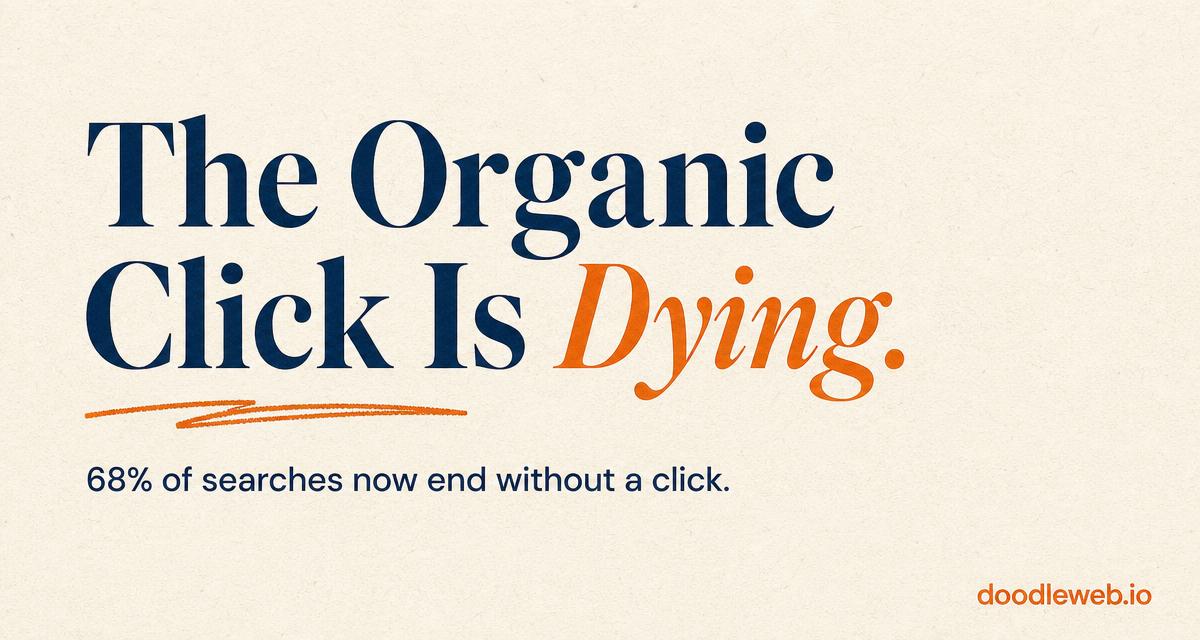
- Zero-click search: Optimizing for featured snippets and direct answers
- Continuous content freshness: Regular updates and structured data to signal relevance
For more, see our post on AEO and why Seattle businesses need it now.
Can you provide case studies or examples of successful CMS SEO projects?
Yes. For example, DoodleWeb rebuilt the George Brown College website on Drupal 10, closing 412 WCAG accessibility issues and improving Lighthouse accessibility scores from 74 to 98. The project included a VPAT 2.5 for WCAG 2.2 AA/AODA compliance and retagging 340 PDFs. For Ursa Major, a WordPress project, we delivered 60% faster page loads and tripled stakeholder engagement. These case studies demonstrate our ability to deliver measurable SEO and accessibility improvements for complex organizations.
What are the costs associated with optimizing a CMS for SEO?
DoodleWeb works with any budget. We ask the right questions to find the best solution for your goals and budget rather than selling you a website you do not need. For smaller budgets, we can use a templated approach, improve your existing site, or phase the work. We explain multiple suitable options and agree on scope and price before work begins. For more details, see our plans and pricing.
How can I measure the success of my CMS SEO efforts?
Success is measured using:
- Core Web Vitals scores (LCP, INP, CLS)
- Search visibility and ranking improvements
- Conversion rates tied to revenue or pipeline
- Accessibility scores (e.g., Lighthouse, VPAT)
- Ongoing content freshness and engagement metrics
Tools like Google Search Console and Lighthouse are industry standards for tracking these metrics. DoodleWeb provides a measurement plan with every engagement.
When should I contact DoodleWeb for CMS SEO help?
If your team is stuck, facing a growing backlog, or needs an honest assessment of your current SEO setup, DoodleWeb can help. We offer short discovery engagements, audits, and full project delivery. Request a free website audit or contact us for a detailed quote.
How does AI search impact CMS SEO in 2026?
AI-powered search engines and assistants (like ChatGPT, Gemini, and Perplexity) now mediate much of the web’s traffic. Optimizing for AI means using schema markup, structuring content for direct answers, maintaining up-to-date information, and ensuring credible citations. These are now table stakes for discoverability. DoodleWeb integrates AI search optimization into every project.
Frequently asked questions
/What platforms does DoodleWeb work with for CMS SEO?
DoodleWeb works with WordPress, Drupal, Shopify, Webflow, BigCommerce, React, and custom CMS solutions, always delivering custom agency work—not templates or DIY tools.
/Is DoodleWeb a BBB Accredited Business?
Yes, DoodleWeb LLC is a BBB Accredited Business, providing an additional layer of trust and accountability.
/How do I know if my CMS is SEO-friendly?
An SEO-friendly CMS allows you to edit metadata, create clean URLs, implement schema markup, generate sitemaps, and support accessibility and performance best practices. DoodleWeb audits these features as part of every engagement.
/Does DoodleWeb serve clients outside Seattle?
Yes, DoodleWeb serves clients across the United States from Seattle and has a Canadian presence in Metro Vancouver via doodleweb.ca.
/Where can I see reviews or third-party ratings for DoodleWeb?
DoodleWeb is listed on Clutch, GoodFirms, Sortlist, and the Drupal.org Marketplace, with verified client reviews and ratings.
Related topics, tools & platforms
DoodleWeb delivers SEO projects using a stack that includes:
- Technical SEO
- Answer Engine Optimization (AEO)
- Generative Engine Optimization (GEO)
- Core Web Vitals
- Schema.org Markup
- Semrush, Ahrefs, Google Search Console
- AI search platforms: ChatGPT, Perplexity, Google AI Overviews
For deeper dives, explore our posts on AEO and website engagement.
Ready to optimize your CMS for SEO? Request a free website audit or contact our team to get started. Every engagement is custom, senior-led, and focused on measurable results.
Seattle agency · Seattle, WA
A full-service digital agency working in WordPress, Drupal, Shopify, Webflow, React, and React Native. We partner with universities, nonprofits, governments, and growing brands to ship sites that hold up after launch.

Reviewed by Chandan Sharma